

A/C Motors
- Product
- Qty in Cart
- Quantity
- Price
- Subtotal
-

Condenser Fan Motor 3/4 Horsepower 1075 RPM EME1868
$229.993/4 HP, 208-230 VOLT, 1075 RPM, 5.1 AMPS, 48Y FRAME, 1/2" SHAFT, REVERSIBLE ROTATION, STUD/BAND MOUNTING, SINGLE PHASE, TAKES 10 MFD/370V CAPACITOR, NOT INCLUDED.$229.99 -

Furnace Blower Motor 3/4 Horse Power 1075 RPM 3 Speed 115 Volt EME8904
$259.95Furnace Blower Motor 3/4 Horse Power 1075 RPM 3 Speed 115 Volt$259.95 -

Air Conditioning Condenser Fan Motor 1/3 Horsepower 825 RPM EME1875
$239.001/3 HP, 208-230 VOLT, 825 RPM, 2.4 AMPS, 48Y FRAME, 1/2" SHAFT, REVERSIBLE ROTATION, STUD/BAND MOUNTING, SINGLE PHASE, TAKES 7.5 MFD/370V CAPACITOR, NOT INCLUDED.$239.00 -

Air Conditioning Blower Motor 1/6 - 1/2 Horse Power 1075 RPM 230 Volt EME5461
$205.45Air Conditioning Blower Motor 1/6 - 1/2 Horse Power 1075 RPM 230 Volt$205.45 -

Furnace Blower Motor 1/6 - 1/2 Horse Power 1075 RPM 115 Volt EME5460
$199.95Furnace Blower Motor 1/6 - 1/2 Horse Power 1075 RPM 115 Volt$199.95 -
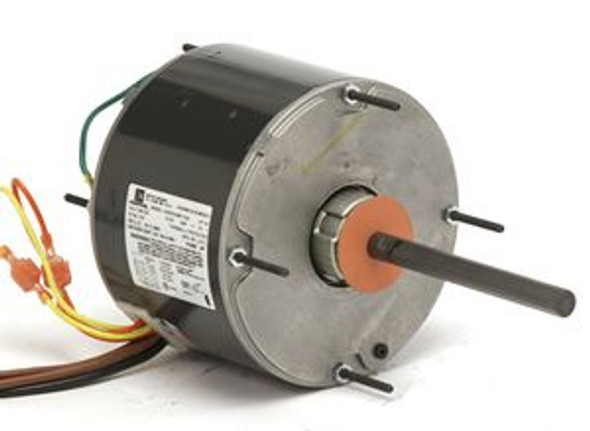
Air Conditioning Condenser Fan Motor 1/4 Horsepower 825 RPM EME1874
$195.981/4 HP, 208-230 VOLT, 825 RPM, 2.0 AMPS, 48Y FRAME, 1/2" SHAFT, REVERSIBLE ROTATION, STUD/BAND MOUNTING, SINGLE PHASE, TAKES 5MFD/370V CAPACITOR, NOT INCLUDED.$195.98 -

Bracket - Air Conditioning Condenser Fan Motor 3 Ear Clamp Style MAR08020
$38.69Bracket - Air Conditioning Condenser Fan Motor 3 Ear Clamp Style$38.69 -
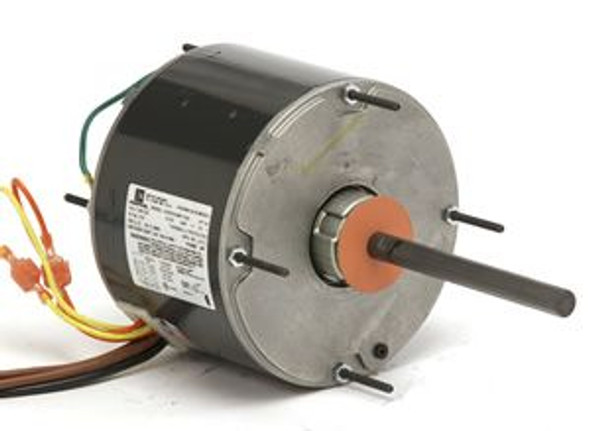
Air Conditioning Condenser Fan Motor Universal 1/6 - 1/3 HP 1075 RPM 230 Volt EME5462
$209.951/6-1/3 HP, 208-230 VOLT, 1075 RPM, 1.8-2.6 AMPS, 48Y FRAME, 1/2" SHAFT, REVERSIBLE ROTATION, STUD/BAND MOUNTING, SINGLE PHASE, TAKES 5MFD/370V CAPACITOR, NOT INCLUDED.$209.95 -

Air Conditioning Condenser Fan Motor Universal 1/5 - 1/2 HP 825 RPM 230 Volt EME5464
$269.951/6-1/3 HP, 208-230 VOLT, 825 RPM, 1.2-1.9 AMPS, 48Y FRAME, 1/2" SHAFT, REVERSIBLE ROTATION, STUD/BAND MOUNTING, SINGLE PHASE, TAKES 7.5 MFD/370V CAPACITOR, NOT INCLUDED.$269.95 -

Air Conditioning Blower Motor 3/4 Horse Power 1075 RPM 230 Volt 3 Speed EME8905
$259.99Air Conditioning Blower Motor 3/4 Horse Power 1075 RPM 230 Volt 3 Speed$259.99 -

Air Conditioning Blower Motor 1/4 Horse Power 1075 RPM 230 Volt EME1971
$199.00BLOWER MOTOR 1/4 HP 1075 230V 3 SPEED$199.00 -

Furnace Blower Motor 1/3 Horse Power 1075 RPM 115 Volt EME1864
$165.99UNIVERSAL REPLACEMENT BLOWER MOTOR 1/3 HP 1075 115V 3 SPEED$165.99